What is Osteopathic Manipulative Treatment (OMT)?
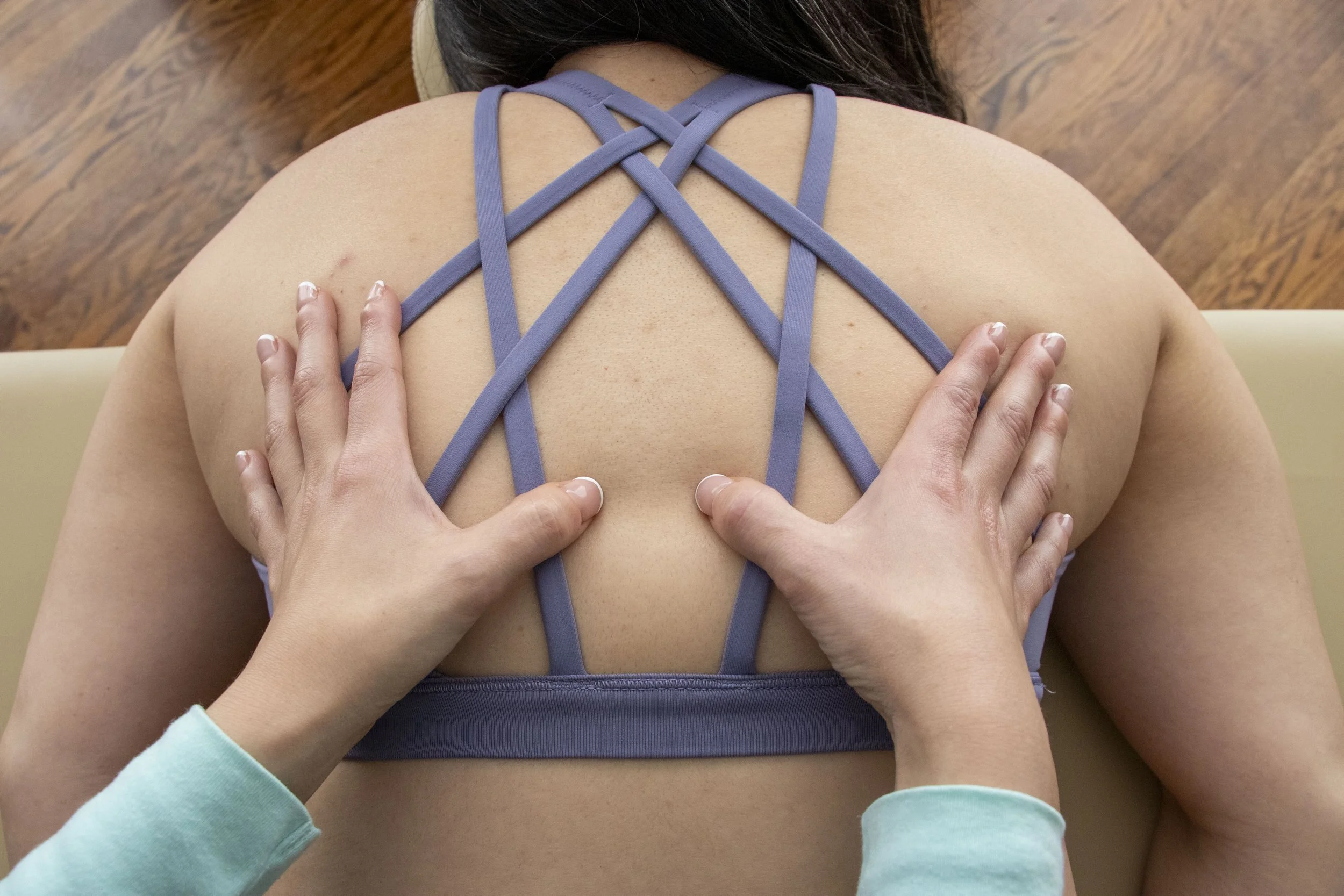
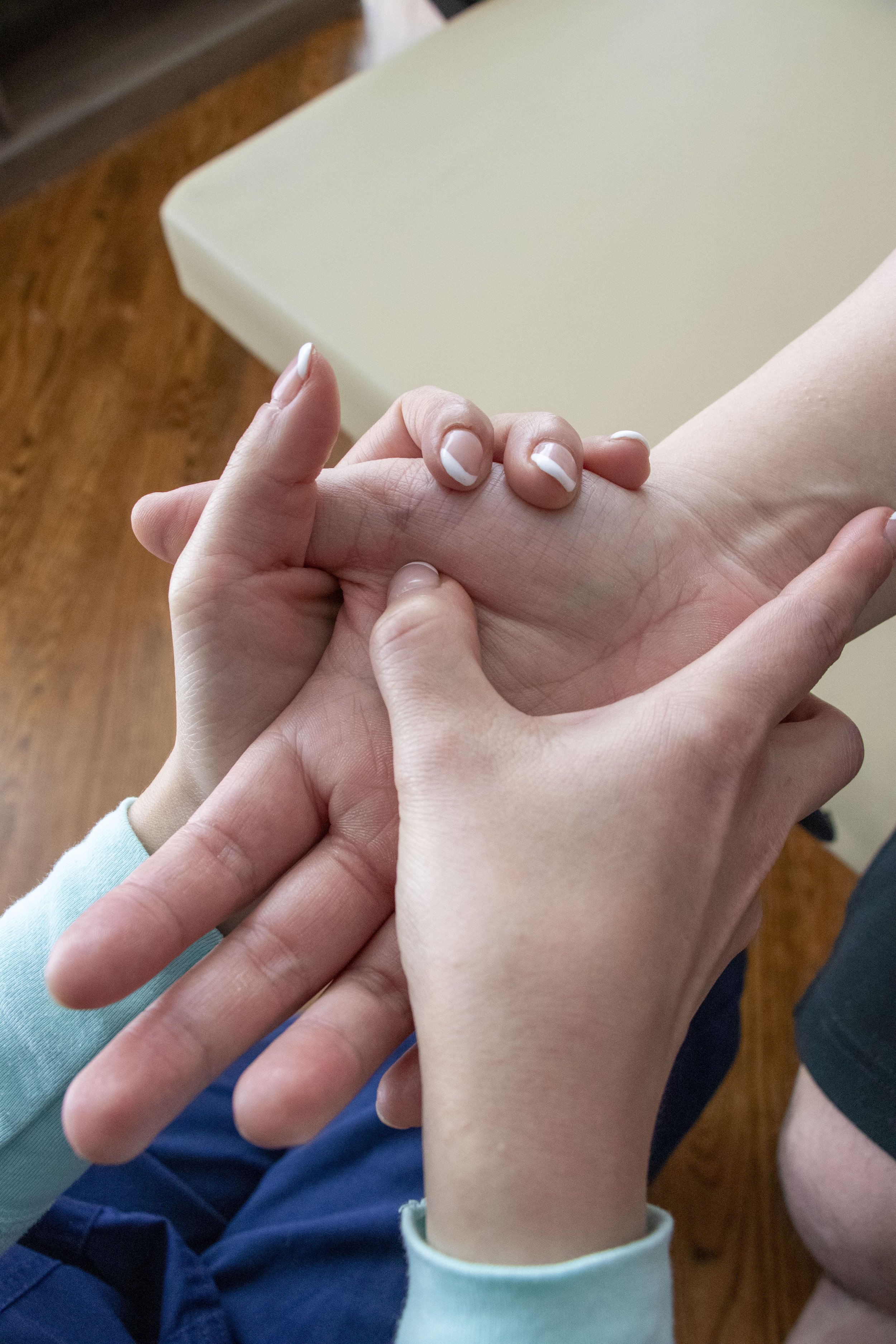
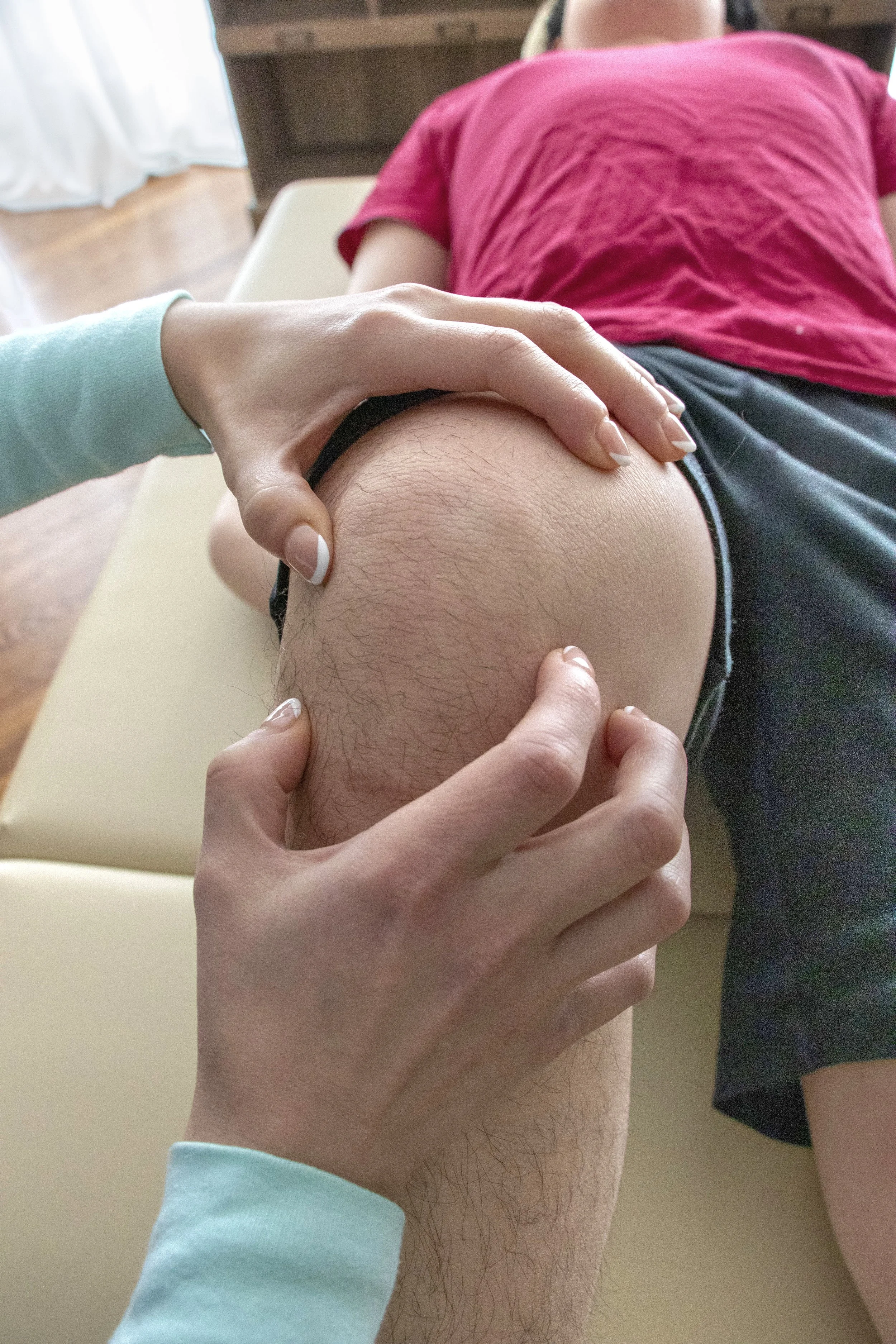
Osteopathic Manipulative Treatment (OMT) is a hands-on medical approach used by Doctors of Osteopathic Medicine (DOs) to diagnose, treat, help prevent illness or injury, and provide pain relief. It focuses on the relationship between the body’s structure and function, recognizing that the body works as an integrated whole.
Using her hands, Dr. Tran utilizes a variety of corrective techniques that may include applying pressure, stretching, resistance, and guided movements to muscles, joints, and soft tissues/fascia. These techniques are designed to improve mobility, reduce pain, enhance circulation, support nerve function, restore lymph flow, and promote the body’s natural ability to heal itself.
OMT can be used alone or alongside conventional medical treatments such as medications or physical therapy. It is commonly used to treat conditions such as back and neck pain, headaches, joint dysfunction, muscle tension, and certain respiratory or digestive issues.
Depending on the severity and chronicity of the dysfunction, more than one treatment session may be required.
OMT is safe, evidence-based, and tailored to each patient’s individual needs, making it an effective option for patients seeking a comprehensive, whole-person approach to care.
Osteopathic Manipulative Techniques
-
This is the main model Dr. Tran utilizes during her treatments.
FDM is based on the idea that many pain patterns are caused by specific, identifiable distortions or injuries to the fascia. These distortions are assessed by carefully observing a patient’s body language, pain description, and movement patterns, rather than relying on imaging alone. Treatment involves targeted manual pressure and corrective techniques applied directly to the affected fascial structures to restore normal function.
The Fascia Distortion Model is commonly used to treat acute and chronic musculoskeletal pain, including back pain, neck pain, joint injuries, sports injuries, and repetitive strain conditions. While treatment can be uncomfortable at times, it is typically brief and aims to produce rapid improvement in pain and mobility.
-
Fascia can become tight or restricted due to injury, repetitive stress, poor posture, inflammation, or trauma. During myofascial release, the practitioner applies gentle, sustained pressure and stretching to areas of restriction, allowing the fascia to soften and lengthen. This helps reduce pain, improve mobility, enhance circulation, and support the body’s natural healing processes.
Myofascial release is commonly used to treat conditions such as chronic pain, muscle tightness, headaches, neck and back pain, joint stiffness, and postural imbalances. The technique is generally slow, controlled, and relaxing, and is often well tolerated by patients.
-
Osteopathic Craniosacral Treatment, often referred to as cranial osteopathy or osteopathic cranial manipulation, is a gentle, hands-on form of Osteopathic Manipulative Treatment (OMT) that focuses on the subtle motion and balance of the craniosacral system—which includes the bones of the skull, the sacrum, the membranes surrounding the brain and spinal cord, and the cerebrospinal fluid.
Using light, precise touch, a Doctor of Osteopathic Medicine (DO) evaluates and treats restrictions or imbalances in this system. The goal is to improve the body’s natural self-regulating and self-healing mechanisms by optimizing nervous system function, circulation, and overall structural balance.
Osteopathic craniosacral treatment is commonly used for conditions such as headaches and migraines, neck pain, jaw (TMJ) dysfunction, stress-related tension, sleep disturbances, and in some cases pediatric concerns. It is exceptionally gentle and well tolerated, making it appropriate for patients of all ages, including infants and older adults.
-
Muscle Energy Technique (MET) is a form of Osteopathic Manipulative Treatment (OMT) in which the patient actively participates in the treatment. It uses a gentle, controlled muscle contraction performed by the patient against a counterforce applied by a Doctor of Osteopathic Medicine (DO).
During muscle energy treatment, the DO positions a joint or muscle at a specific barrier and then asks the patient to contract a targeted muscle for a few seconds. After the contraction, the muscle relaxes, allowing the physician to gently reposition the tissue to improve mobility and alignment. This process is repeated as needed.
Muscle Energy is commonly used to treat muscle tightness, joint stiffness, limited range of motion, postural imbalances, and pain involving the neck, back, pelvis, and extremities. It is a safe, precise, and effective technique that improves flexibility, reduces pain, enhances joint function, and helps restore normal movement.
Because it is active and patient-controlled, Muscle Energy is well tolerated and adaptable to a wide range of patients.
-
Counterstrain (also called strain–counterstrain) is a gentle, passive form of Osteopathic Manipulative Treatment (OMT) designed to relieve pain and muscle tension by reducing abnormal reflex activity within the muscles and surrounding tissues.
During counterstrain treatment, a Doctor of Osteopathic Medicine (DO) identifies tender points—small, localized areas of muscle tension or sensitivity. The body is then carefully positioned into a position of comfort that shortens the affected muscle and eases the tenderness. This position is held for a short period, allowing the muscle and nervous system to reset and relax. The body is then slowly returned to a neutral position.
Counterstrain is commonly used to treat acute and chronic pain, muscle spasms, postural strain, headaches, neck and back pain, and joint discomfort. Because the technique is very gentle and does not involve forceful movement, it is especially suitable for patients who are sensitive to pain, recovering from injury, or experiencing acute inflammation.
This technique is safe, calming, and effective.
-
Facilitated Positional Release (FPR) is a gentle, indirect form of Osteopathic Manipulative Treatment (OMT) used to reduce muscle tension, improve joint motion, and restore normal neuromuscular function.
In FPR, a Doctor of Osteopathic Medicine (DO) places the affected muscle or joint into a neutral, comfortable position that minimizes strain. A gentle facilitating force—such as compression, torsion, or a slight change in position—is then applied for a few seconds. This combination allows the muscle to relax and the nervous system to reset, reducing abnormal muscle tone and restriction.
Facilitated Positional Release is commonly used to treat muscle spasms, joint stiffness, acute pain, and restricted movement in areas such as the neck, back, ribs, and extremities. The technique is quick, precise, and comfortable, making it well tolerated by patients of all ages, including those with acute injuries or heightened pain sensitivity.
-
Still’s Technique is a gentle, effective form of Osteopathic Manipulative Treatment (OMT) that combines elements of both
In Still’s Technique, a Doctor of Osteopathic Medicine (DO) first positions the affected joint or tissue into a position of ease (away from the restriction). Then, while maintaining this position, the physician applies a gentle activating force—such as compression or traction—and smoothly guides the tissue through its full range of motion back toward the restrictive barrier. This helps restore normal movement and balance within the joint and surrounding tissues.
Still’s Technique is commonly used to treat joint dysfunction, muscle tension, restricted motion, and pain in the spine and extremities. It is generally comfortable, controlled, and well tolerated by patients.
By blending indirect positioning with direct motion, Still’s Technique promotes improved mobility, reduces pain, and supports the body’s natural ability to self-regulate and heal.
-
High-Velocity, Low-Amplitude (HVLA) is a precise osteopathic manipulative technique used to restore motion to joints that are restricted or not moving properly.
Despite its name, HVLA is not forceful or aggressive. It involves a quick, controlled movement over a very small distance to help improve joint mobility and reduce discomfort.
You may hear or feel a small “pop” during treatment. This sound is simply the release of gas within the joint — similar to cracking your knuckles. It is normal and does not mean anything is breaking or being damaged.
-
The above techniques are commonly known and utilized. There are more techniques that may be used that are not listed.
What We Treat (OMT Conditions)